

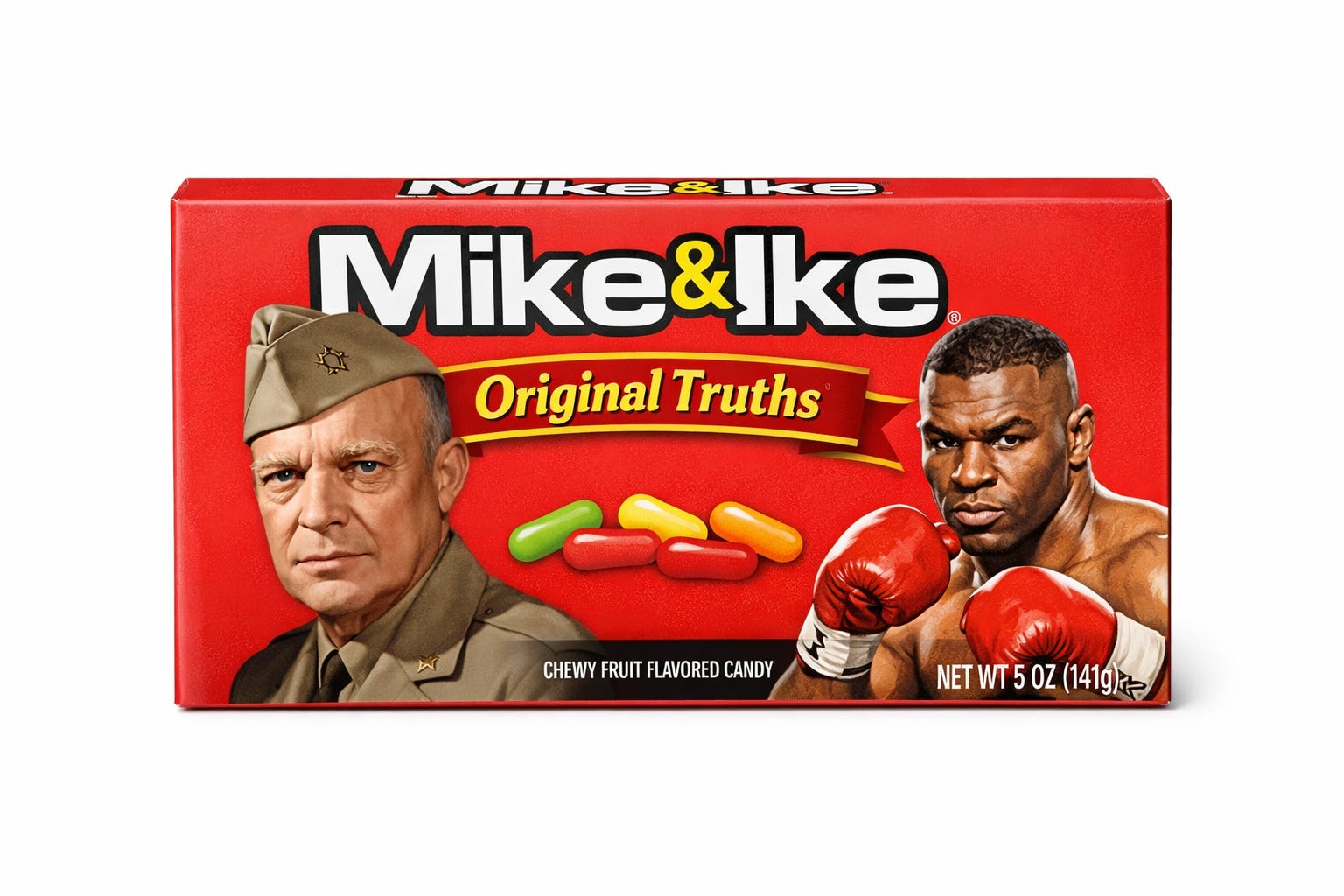
The Prussian theorist and general von Moltke said, “No plan survives first contact with the enemy.” General Eisenhower said, “In planning for battle I’ve found that plans are useless, but planning is indispensable.”
Mike Tyson said it best, “Everyone has a plan until they get punched in the mouth.”
I learned as an armored cavalry officer in the 1980s that the best way to kill a tank was another tank. That doctrine was right, until it wasn’t.
The Israelis had already discovered this was wrong in the 1973 Yom Kippur war when Russian-made shoulder-fired anti-tank weapons brought them to the brink of defeat. Today, the Ukrainians and Russians are crippling tanks with $500 modified drones.
Failure of imagination is not a new phenomenon. Tom Clancy in Debt of Honor wrote about a plane crashing into the Capitol building in 1994. Sam Nunn, that same year, wrote about a drone crashing and releasing chemical weapons in Washington, DC.
9/11 was seven years later. It was a failure of imagination. All of the information existed. No one connected the dots.
We’re in the middle of an imagination failure right now. We’ve unleashed a war against Iran. We don’t know how it ends. Anyone who says otherwise is selling certainty they don’t possess, confusing tactical success with strategic foresight and pretending they can see through the impenetrable fog of war.
Khamenei is dead. The conflict is spreading throughout the region. The cornered regime is not going to fight according to the Marquess of Queensberry rules. The wounded adversary doesn’t act rationally. He bites your ear in the third round in a boxing ring at Caesar’s Palace in a desperate act of self-preservation.
They’ll fight in places where we don’t expect it. A city bus in Tulsa, a shopping mall in Tacoma, a synagogue in Omaha.
The insurgent isn’t going to fight on your terms. He’ll reframe the fight to make your terms irrelevant. Both warfare and technology are morphing at speeds that break every institutional response. The moat is not defensible. The castle walls are not impregnable. The Maginot Line of competitive advantage is an illusion.
The same truths are evident in business. Corporations spend billions to defend indefensible positions in legacy businesses while technology investment hides a dirty secret. Most organizations run on spreadsheets given apocalyptic names: The Truth, The Mother of All Spreadsheets, The Big F***ing Spreadsheet, The Book of Revelation. Someone named them. A roomful of professionals argue over disparate versions of the truth every week in the forecast meeting. That’s not a data problem; it’s institutional capture expressed in a filename.
Your adversary isn’t your Fortune 500 competitor with a new release of their product. It’s the kid in the garage. They could be in Shenzhen, Bangalore, or Silicon Valley. They aren’t fighting you on your terms. They are making your terms irrelevant. They aren’t building a better CD player, they’re building an iPod, and then the iPhone or an electric car at a fraction of the price with a fraction of the parts.
We are at the dawn of another shift in technology. AI gives us the tools to process and synthesize massive amounts of data. But here’s the trap: feed AI your assumptions and it will validate your established thinking. We have to ask it something different. We have to ask AI to imagine the choke points, the vulnerabilities, the future by synthesizing beyond what we think we know, interrogating the data with a wider lens not limited by our rules, conventions, or established thinking.
If we ask the right questions, it can help us recognize what we could not imagine. It could warn us that mobile would supplant the PC, that the $500 drone can kill a $5 million tank, and that the hijacker didn’t need to learn how to land the plane.